
Peptide Therapy
Physician-Supervised Cellular Optimization in Palm Springs
Lab-Driven · Pharmaceutical-Grade · Individualized
Pharmaceutical-grade BPC-157, CJC-1295 & Ipamorelin never research-grade
Lab-driven protocols IGF-1, metabolic and inflammatory markers guide every dose
Targeted receptor-mediated signaling for tissue repair, recovery and GH optimization
Physician-prescribed and personally monitored by Mike Rosco, MD
Begin With a Physician Consultation & Baseline Labs
Discover whether a peptide protocol is the right fit for your biology and goals.
A note on cost
Wondering about price? We do not publish a single figure, because cost depends on whether a peptide is appropriate for you, your lab work, and follow-up. Learn what affects cost.
Targeted Cellular Signaling Not Supplementation
Peptides are short chains of amino acids that act as the body's own signaling molecules. Research published in the Journal of Clinical Medicine confirms their therapeutic potential across tissue repair, growth hormone optimization, immune modulation, and cellular regeneration.
Signaling Molecules
Short chains of amino acids that tell specific cells to perform specific functions tissue repair, GH release, inflammation modulation, immune support.
Receptor-Mediated
Unlike broad-spectrum supplements, peptides work through precise receptor pathways targeted biological signaling, not generic supplementation.
Lab-Driven Protocols
Every prescription is individualized using IGF-1, metabolic, and inflammatory markers and monitored with follow-up bloodwork.
Every protocol at ReGenovateMD is prescribed and monitored by Mike Rosco, MD this is not a peptide menu or a telehealth subscription.
BPC-157 Tissue Repair & Recovery
BPC-157 (Body Protection Compound-157) is a synthetic peptide derived from a naturally occurring protein found in gastric juice. Preclinical research has demonstrated its ability to accelerate tissue healing across multiple systems making it one of the most versatile peptides in regenerative medicine.
Clinical Applications
BPC-157 is particularly valuable for patients recovering from injury, dealing with chronic inflammatory conditions, or experiencing gut health issues. Research in Current Pharmaceutical Design highlights its multi-organ protective effects.
CJC-1295 / Ipamorelin Growth Hormone Optimization
CJC-1295 and Ipamorelin are growth hormone-releasing peptides (GHRPs) that stimulate your pituitary gland to produce and release more of your own natural growth hormone. When combined, they provide a synergistic effect that mimics your body's natural GH pulsatile release pattern.
Clinical Benefits
Unlike exogenous HGH, these peptides work with your body's natural feedback loops your pituitary gland remains in control, producing growth hormone in natural pulsatile patterns rather than the constant, unregulated elevation seen with synthetic HGH.
What Peptide Therapy May Help With
Certain peptides are studied for recovery and tissue repair and for supporting the body's own growth hormone release. The evidence is still evolving, results are not guaranteed, and fit depends on your labs and health history. Explore potential benefits and important limits.
Side Effects Depend on the Peptide
There is no single side-effect profile for peptide therapy. Risks, interactions, and monitoring needs depend on the specific peptide, the dose, and your own history and medications, which is why care starts with labs and a clinical review. Learn about peptide therapy side effects and safety considerations.
Who Is a Good Candidate for Peptide Therapy?
Ideal Candidates
- Adults experiencing age-related decline in energy, recovery, or body composition
- Athletes and active individuals seeking accelerated injury recovery
- Patients with chronic inflammatory conditions or gut health issues
- Men and women with documented suboptimal IGF-1 levels
- Post-surgical patients looking to accelerate tissue healing
- Anyone seeking evidence-based anti-aging protocols beyond basic supplementation
May Not Be Suitable For
- Pregnant or breastfeeding women
- Patients with active cancer or history of certain malignancies
- Individuals seeking quick fixes without commitment to lab monitoring
- Anyone not willing to undergo baseline and follow-up blood work
Peptide Therapy vs. HGH vs. Supplements
Three very different approaches to growth hormone and recovery. Here's how they actually compare.
| GH Peptides | Exogenous HGH | OTC Supplements | |
|---|---|---|---|
| Mechanism | Stimulates natural GH production via pituitary | Replaces GH directly (exogenous) | Indirect; amino acid precursors |
| Source | Your own pituitary gland | Synthetic (lab-produced) | Oral pills/powders |
| Precision | Receptor-specific signaling | Systemic elevation | Non-targeted |
| Side Effect Risk | Lower natural feedback loops intact | Higher bypasses regulation | Minimal but limited efficacy |
| Lab Monitoring | IGF-1 + metabolic panels | Extensive monitoring required | Typically none |
| Cost | Moderate (physician-supervised) | Very expensive | Low |
| Legal Status | Prescription (physician-supervised) | Controlled substance | Over-the-counter |
| Clinical Evidence | Growing clinical data | Established (with risks) | Limited clinical evidence |
What to Expect During Your Peptide Protocol
Initial Consultation & Lab Work
Your protocol begins with comprehensive blood work including IGF-1, metabolic panel, inflammatory markers, and hormonal profile. Dr. Rosco evaluates your results alongside your symptoms and goals to determine which peptides, dosages, and administration schedules are appropriate for your biology.
Self-Administered Subcutaneous Injections
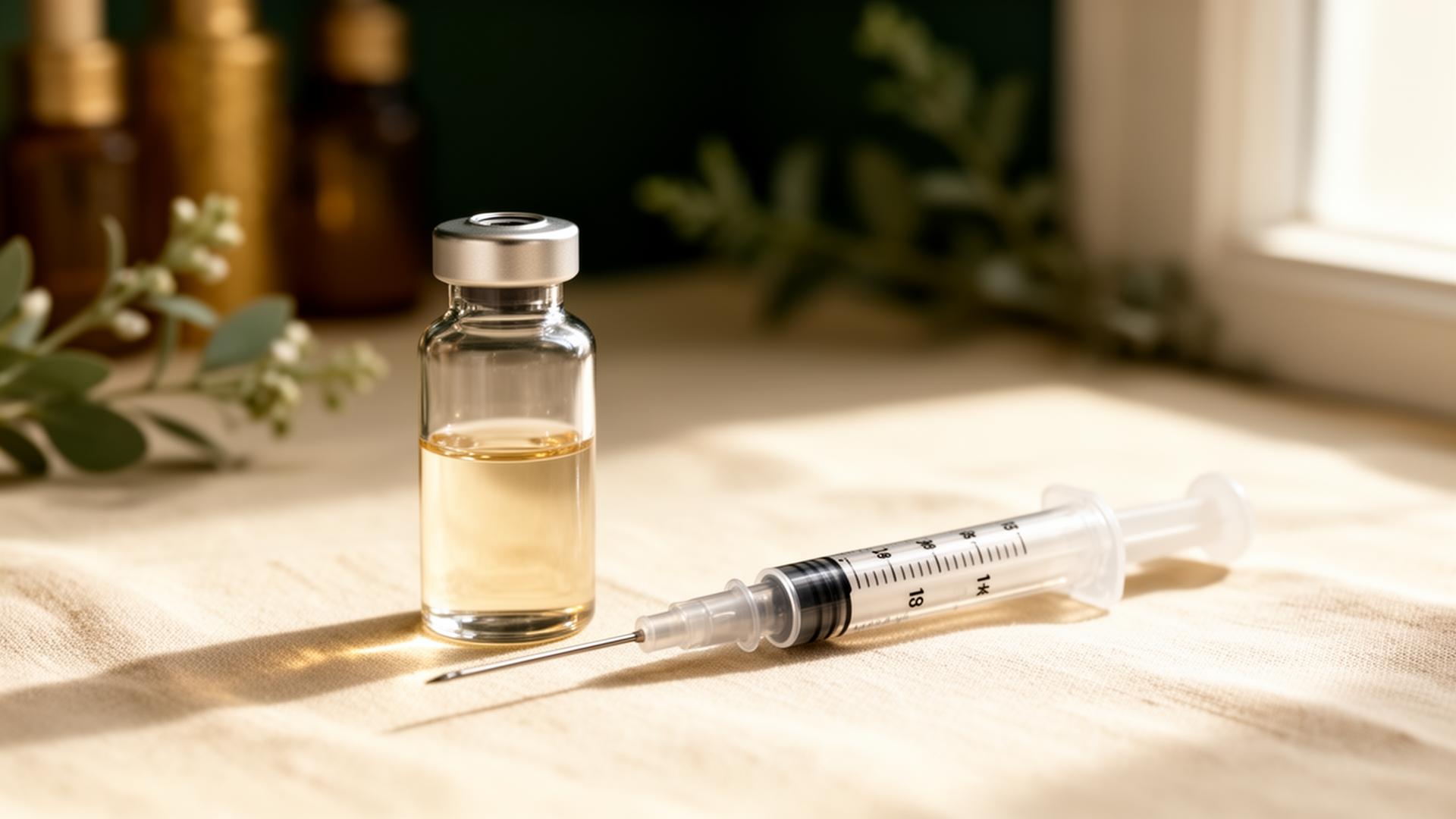
Most peptide protocols involve subcutaneous injections similar to insulin using fine-gauge needles. Dr. Rosco provides detailed training for self-administration. Injections are typically performed in the evening (for GH peptides) or as directed. Some peptides are available in oral or nasal forms depending on clinical indication.
Tissue Response in 1–2 Weeks · GH Effects in 4–8 Weeks
BPC-157 for tissue repair may show improvement within 1–2 weeks. Growth hormone peptides (CJC-1295/Ipamorelin) typically require 4–8 weeks for noticeable changes in body composition, sleep quality, and recovery.
Follow-Up Labs at 6–8 Weeks, Then Every 3–6 Months
Follow-up bloodwork confirms efficacy and guides dosage adjustments. Ongoing monitoring every 3–6 months ensures sustained optimization and safety.
Why Choose ReGenovateMD for Peptide Therapy in Palm Springs?
Physician-Prescribed, Not Telehealth
Dr. Rosco evaluates every patient in person, reviews your labs, and designs your protocol this is not an online peptide mill or subscription box.
Lab-First Approach
No peptide is prescribed without baseline blood work. Your IGF-1, metabolic, inflammatory, and hormonal markers guide every decision.
Medical-Grade Compounds
We use only pharmaceutical-grade peptides from FDA-regulated compounding pharmacies not research-grade or gray-market products.
Integrated Treatment Stack
Peptide therapy works synergistically with our hormone optimization, blood panel monitoring, and wellness protocols for comprehensive results.
Peptide Therapy FAQ
Related Treatments
Hormone Optimization
Peptide therapy works synergistically with bioidentical hormone optimization for comprehensive anti-aging and recovery.
Comprehensive Blood Panels
Lab work including IGF-1 is the diagnostic foundation for every peptide protocol we prescribe.
Medical Weight Loss
Medical weight loss that complements peptide therapy for body composition optimization.
Exomind Wellness
Neurological wellness and cognitive optimization another pillar of our integrated wellness approach.
Start Your Peptide Therapy Protocol
Physician-prescribed, lab-monitored, and tailored to your biology. Not a subscription box real medicine.